
This Dr. Axe content is medically reviewed or fact checked to ensure factually accurate information.
With strict editorial sourcing guidelines, we only link to academic research institutions, reputable media sites and, when research is available, medically peer-reviewed studies. Note that the numbers in parentheses (1, 2, etc.) are clickable links to these studies.
The information in our articles is NOT intended to replace a one-on-one relationship with a qualified health care professional and is not intended as medical advice.
This article is based on scientific evidence, written by experts and fact checked by our trained editorial staff. Note that the numbers in parentheses (1, 2, etc.) are clickable links to medically peer-reviewed studies.
Our team includes licensed nutritionists and dietitians, certified health education specialists, as well as certified strength and conditioning specialists, personal trainers and corrective exercise specialists. Our team aims to be not only thorough with its research, but also objective and unbiased.
The information in our articles is NOT intended to replace a one-on-one relationship with a qualified health care professional and is not intended as medical advice.
Chocho: Sustainable Superfood Packed with Plant Protein
July 30, 2025
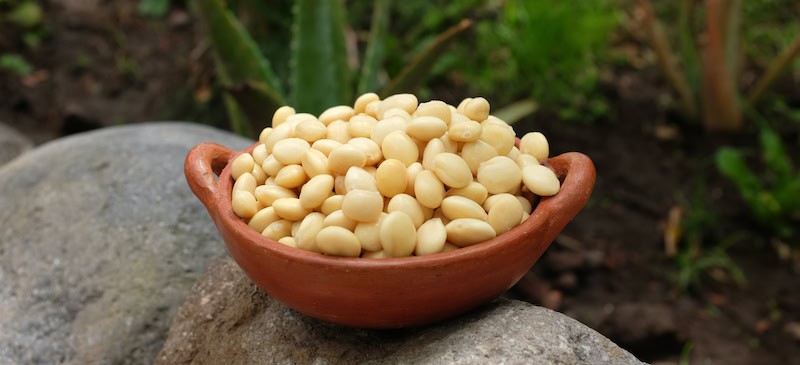
Looking for a new, sustainable source of plant-based protein? Chocho may be the powerhouse ingredient you haven’t heard of yet.
Gaining attention in the world of superfoods, chocho protein powder is rich in nutrients, easy to digest and environmentally friendly, making it an ideal addition to your clean eating lifestyle. From its high protein content and gut-friendly fiber to its blood sugar-supporting properties, chocho powder is more than just a vegan protein alternative.
Whether you’re an athlete, following a plant-based diet or simply trying to support your overall wellness, chocho (sometimes confused with chayote, another plant from the same region) offers a compelling combination of nutrition and function.
Here’s everything you need to know about this nutrient-dense legume and how to use it in your everyday routine.
What is chocho?
Chocho (pronounced cho-cho) is the common name for the Lupinus mutabilis plant, also known as Andean lupin or tarwi. Native to the highlands and Andes Mountains of Peru, Ecuador and Bolivia, it has been cultivated for thousands of years as a protein-rich food source.

The edible seeds of the plant are traditionally soaked to remove bitter alkaloids, then cooked or dried and ground into chocho powder. This powder is now widely used as a clean-label, plant-based protein supplement.
Unlike many other plant proteins, chocho protein powder is complete, meaning it contains all nine essential amino acids. It’s also naturally low in carbs, high in fiber, and free from common allergens like soy and gluten.
Note: Chocho is not the same as chayote, a squash-like fruit native to the same region, although both are valued in Latin American diets for their nutritional content. Chayote is actually a fruit and type of squash, while chocho is a legume.
Nutrition facts
Chocho powder is exceptionally nutrient-dense.
While exact nutrition facts can vary based on the product, one serving of chocho protein powder (about 39 grams or 1/3 cup) typically contains approximately:
- Calories: 190
- Total Carbohydrates: 8 g
- Fiber: 8 g
- Total Fat: 8 g
- Saturated Fat: 1.5 g
- Polyunsaturated Fat: 2.5 g
- Protein: 20 g
- Manganese: 1.2 mg (52% DV*)
- Zinc: 2 mg (18% DV)
- Iron: 2.5 mg (14% DV)
- Magnesium: 44.8 mg (11% DV)
- Calcium: 90.1 mg (7% DV)
*Daily Value: Percentages are based on a diet of 2,000 calories a day.
Chocho is also rich in antioxidants and phytochemicals, including polyphenols and flavonoids, which support overall wellness and help combat oxidative stress.
Benefits
Chocho may be the next big superfood you’re missing. This Andean legume is emerging as a powerhouse ingredient, especially in the form of chocho protein powder and chocho powder, prized for its high protein content, fiber, essential nutrients and unique health benefits.
Here are some of the top science-backed and traditionally recognized benefits of chocho and chocho protein powder:
1. Supports muscle growth and repair
With a complete amino acid profile and 15-20 grams of protein per serving, chocho powder is an excellent option for anyone looking to boost protein intake. It’s ideal for athletes, active individuals and those following a plant-based diet.
Thanks to its complete amino acid profile, chocho protein powder is ideal for supporting muscle recovery and growth, especially for vegans or vegetarians.
A systematic review and meta-analysis of randomized, controlled trials published in Nutrients found that consuming plant-based protein comparable to animal-based protein (including proteins like lupin) led to similar increases in lean body mass and muscle strength when combined with resistance training.
2. Promotes heart health
The healthy fats and fiber in chocho help manage cholesterol and blood pressure.
Chocho is naturally low in saturated fat and high in unsaturated fats, which can support healthy cholesterol levels. Its fiber content also helps manage blood lipids and maintain cardiovascular health.
In a randomized, double‑blind, crossover trial involving 33 hypercholesterolemic adults, researchers compared the effects of a daily supplement of 25 gram of lupin protein isolate (LPI) against milk protein isolate (MPI) over two eight-week periods separated by a four-week washout. At four weeks into the intervention, both groups showed a significant decrease in LDL cholesterol relative to baseline. However, only the lupin protein group experienced a significant reduction in the LDL:HDL cholesterol ratio.

Additionally, HDL cholesterol was significantly higher in the LPI group at week four. Those improvements were mostly evident in participants with higher baseline cholesterol levels and diminished by week eight.
At the eight‑week mark, only the LPI group saw significant reductions in blood pressure. Serum amino acids were elevated with MPI at week four but remained stable with LPI. These differences faded by week eight.
Both interventions led to modest but significant increases in body weight and fat by week eight. The authors concluded that 25 grams per day of lupin protein could beneficially modulate LDL cholesterol and improve the LDL:HDL ratio, at least in the short term, especially in individuals with more pronounced hypercholesterolemia, provided energy intake and body composition are carefully managed
3. Helps balance blood sugar
Unlike many other legumes, chocho has a very low glycemic index. Its combination of fiber and protein helps slow the absorption of sugar into the bloodstream, potentially improving insulin sensitivity and supporting healthy glucose levels.
In a randomized, crossover trial involving 12 healthy adults (both male and female, aged 23-33), researchers compared the acute effects on blood glucose and insulin of three meals: a carbohydrate-rich reference meal alone, the same meal supplemented with whey protein and that meal supplemented with lupin protein. Measurements of glucose and insulin were taken at baseline and at seven post-meal time points.
Both whey and lupin significantly reduced the postprandial blood glucose rise compared to the reference meal . Over the first hour, whey reduced the glucose area under the curve by about 46 percent, while lupin reduced it by about 54 percent (a slightly greater effect from lupin), but the difference between whey and lupin was not statistically significant.
Insulin responses differed, however: Whey stimulated a significantly higher insulin rise than lupin (about 39 percent greater in), although neither protein supplement produced insulin levels significantly different from the reference meal when compared individually.
In summary, both whey and lupin proteins effectively blunted post-meal blood glucose spikes in healthy people, with lupin showing potentially slightly stronger glycemic lowering and a more modest insulin response. This suggests it may be a promising vegetable-based alternative to whey for reducing glycemic excursions.
4. Aids digestion and gut health
With around five to 8 grams of fiber per serving, chocho powder supports regular digestion and promotes the growth of beneficial gut bacteria.
A randomized, crossover trial in healthy adult men examined the effects of consuming lupin kernel fiber-enriched foods (derived from lupin beans, also known as “chocho”) on gut microbiota composition. Researchers used fluorescent in situ hybridization to measure fecal bacteria before and after intervention.
The study found that consumption of lupin kernel fiber significantly increased levels of beneficial gut bacteria, notably Bifidobacterium spp., and maintained Clostridial group levels within a healthy range. Importantly, increased bifidobacteria correlated with favorable shifts in serum lipid markers, suggesting improved intestinal and metabolic health.
These findings demonstrate that lupin-based dietary fiber can modulate human gut microbiota by promoting probiotic bacterial growth and supporting digestive wellness
5. Supports sustainable agriculture
Beyond personal health, chocho promotes environmental health.
Chocho is a nitrogen-fixing crop, meaning it naturally replenishes the soil instead of depleting it. It’s drought-resistant and thrives without the need for synthetic fertilizers or pesticides, making it one of the most sustainable protein sources on the planet.
As a nitrogen-fixing legume, it enriches the soil naturally, requiring fewer chemical fertilizers. It also grows well in poor soil conditions, making it one of the most eco-friendly crops available for large-scale protein production.
How to use
Most brands recommend one serving (two to three tablespoons or 30 to 40 grams) of chocho protein powder per day, which provides a complete protein boost with additional fiber and micronutrients.
Always look for cold-processed, organic chocho powder from a reputable brand.
Here are some ideas on how to use it:
- Smoothies: Add chocho powder to your morning smoothie with banana, spinach and almond milk.
- Protein oats: Stir it into oatmeal or overnight oats for a fiber-rich breakfast.
- Baking: Use chocho powder to replace some flour in muffins, pancakes or energy bars.
- Protein balls: Mix chocho with dates, nut butter and coconut for a clean, portable protein snack.
- Soups and stews: Add to hearty soups for a natural protein boost and creamy texture.
Its neutral, slightly nutty taste makes chocho powder highly versatile in both sweet and savory dishes.
Risks and side effects
Chocho is generally safe for most people, but there are a few things to keep in mind:
- Allergies: While rare, lupin (the plant family chocho belongs to) can trigger allergic reactions in people allergic to peanuts or legumes.
- Raw seeds: The raw seeds must be soaked and processed to remove bitter alkaloids, which can be toxic if consumed in high amounts. Only use products that have been properly prepared.
- Digestive upset: Some people may experience gas or bloating when first adding chocho powder to their diets. Start with a small amount, and increase gradually.
If you’re pregnant, nursing or have a history of food allergies, consult a healthcare provider before introducing chocho powder to your diet.
Frequently asked questions
What does chocho taste like?
Chocho has a mild, earthy and slightly nutty flavor that blends well in both sweet and savory recipes.
Is chocho protein powder vegan?
Yes, chocho is 100 percent plant-based, making it a great vegan protein source.
Is chocho gluten-free?
Yes, chocho is naturally gluten-free and safe for people with celiac disease or gluten sensitivity.
How is chocho different from other protein powders?
Unlike pea protein or rice protein, chocho protein powder is a complete protein, allergen-friendly and often requires less processing. It’s also more sustainable to grow.
Can I take chocho protein every day?
Yes! When consumed in recommended amounts (one to two servings daily), chocho powder can be a beneficial part of your daily diet.
Conclusion
- Nutrient-dense, complete in protein and sustainably grown, chocho is a superfood that’s finally getting its due recognition. With its exceptional nutrient profile, digestibility and environmental benefits, it is poised to be the next big thing in plant-based nutrition.
- Whether you’re looking to build muscle, support your digestive health or simply diversify your diet with sustainable foods, chocho protein powder is worth adding to your pantry.
- Look for organic, cold-processed chocho powder from trusted sources, and start exploring the many delicious ways to use this Andean superfood every day.
- With its ease of use and clean nutritional profile, chocho protein powder belongs in any health-forward pantry.
- Look for a trusted brand, try it in your favorite recipes and tap in to the power of this ancient Andean legume. Your body and the planet will thank you.
Popular Nutrition Posts