

This Dr. Axe content is medically reviewed or fact checked to ensure factually accurate information.
With strict editorial sourcing guidelines, we only link to academic research institutions, reputable media sites and, when research is available, medically peer-reviewed studies. Note that the numbers in parentheses (1, 2, etc.) are clickable links to these studies.
The information in our articles is NOT intended to replace a one-on-one relationship with a qualified health care professional and is not intended as medical advice.
This article is based on scientific evidence, written by experts and fact checked by our trained editorial staff. Note that the numbers in parentheses (1, 2, etc.) are clickable links to medically peer-reviewed studies.
Our team includes licensed nutritionists and dietitians, certified health education specialists, as well as certified strength and conditioning specialists, personal trainers and corrective exercise specialists. Our team aims to be not only thorough with its research, but also objective and unbiased.
The information in our articles is NOT intended to replace a one-on-one relationship with a qualified health care professional and is not intended as medical advice.
Apple Nutrition: Ultimate Gut- & Heart-Friendly Fruit
August 7, 2025
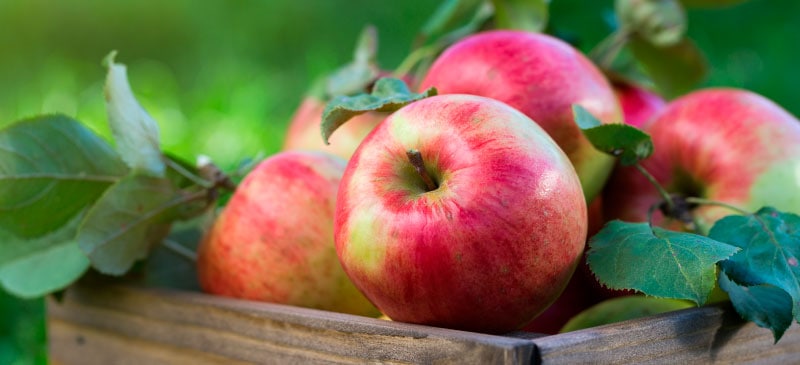
Is an apple a day really good for you? You bet, thanks to all that apple nutrition has to offer.
Did you know that apples and bananas are the most widely consumed fruits in the world? While berries usually get most of the credit when it comes to supplying antioxidants, apple nutrition is a close runner-up.
With a diverse family of phytonutrients, including polyphenols and carotenoids, present in apple pulp and skin, studies have linked their consumption with a reduced risk of many conditions.
For example, health benefits associated with apples include helping protect against constipation, types 2 diabetes, breast cancer and high cholesterol, as well as assisting in weight management. As one of best high-fiber foods, specifically the type called pectin, this fruit can help improve digestion and fill you up.
Not too bad for one of the most widely available, easy-to-use fruits there is!
Apple nutrition facts
Apples are the fruit of the tree known as Malus domestica. Today, many different types are grown worldwide, but they first originated in Asia thousands of years ago. In fact, they are considered to be perhaps the earliest tree to be cultivated by humans.
What is the main nutrition found in apples? Apple nutrition is a good source of fiber, particularly the soluble, gelatinous polysaccharide called pectin that binds to cholesterol in the gastrointestinal tract and slows glucose absorption. They also provide a surprising amount of antioxidants.
Nutrition facts:
How many calories are in an apple? How many carbs does an apple have?
One medium apple (about 200 grams) contains approximately:
- Calories: 104
- Total Carbohydrates: 27.6 g
- Fiber: 4.8 g
- Sugar: 20.8 g
- Total Fat: 0.3 g
- Saturated Fat: 0.1 g
- Polyunsaturated Fat: 0.1 g
- Monounsaturated Fat: 0.01 g
- Trans Fat: 0 g
- Protein: 0.5 g
- Sodium: 2 mg (0.1% DV*)
- Vitamin C: 9.2 mg (10% DV)
- Vitamin B6: 0.1 mg (6% DV)
- Potassium: 214 mg (5% DV)
- Vitamin K: 4.4 mcg (4% DV)
*Daily Value: Percentages are based on a diet of 2,000 calories a day.
Apple nutrition also provides some vitamin A, vitamin E, niacin, folate, pantothenic acid, choline, betaine, calcium, iron, magnesium and phosphorus. There are other beneficial compounds in apple nutrition, including malic acid and fisetin.
Apples vs. other fruits:
- Compared to apple nutrition, orange nutrition is higher in certain nutrients, including vitamin C, potassium, calcium and folate. Oranges are an excellent source of vitamin C. They contain over 100 percent of your daily requirement in one orange compared to only 10 percent to 14 percent in one apple.
- Bananas are a high-sugar and high-starch fruit, but they actually have less sugar than apples. Bananas are a lot higher in starch, but they also provide higher levels of some nutrients too. These include potassium, magnesium, vitamin C, folate and vitamin B6.
- Both apples and pears are fruits in the Rosaceae plant family. They are believed to originate in Asia. Both are rich in dietary fiber, providing more than fruits like oranges and bananas. Apples are known for providing pectin, but pears are actually a better source of this special type of fiber. Both provide about 100 calories and have between 17-21 grams of sugar.
What’s one of the best times to enjoy fruit? Before or after a workout.
Fruit provides carbohydrates and can help enhance physical performance, concentration and stamina if you have a piece as a snack prior to hitting the gym.
Health benefits
Many folklore remedies utilized apples in various ways, including to make vinegar (such as apple cider vinegar), herbal teas and alcohol.
Apples are said to have cooling, astringent properties that can help ease heartburn and a sour stomach. Thanks to their antioxidants and vitamin C, they have traditionally been used to help cleanse the mouth and teeth, prevent vitamin D deficiency, and fight constipation.
Apples and their leaves have also been traditionally chewed and applied to the skin to treat inflammation, swelling, boils or infected bites.
In Ayurvedic medicine, stewed/cooked apples are recommended to prevent constipation. Apples are considered helpful for balancing Kapha energy.
In other words, they are thought to help relieve sluggishness, weight gain, blocked sinuses, allergies and colds.
What are the benefits of eating apples, according to research? Here are some the top benefits of apple nutrition:
1. Great source of cancer-fighting antioxidants
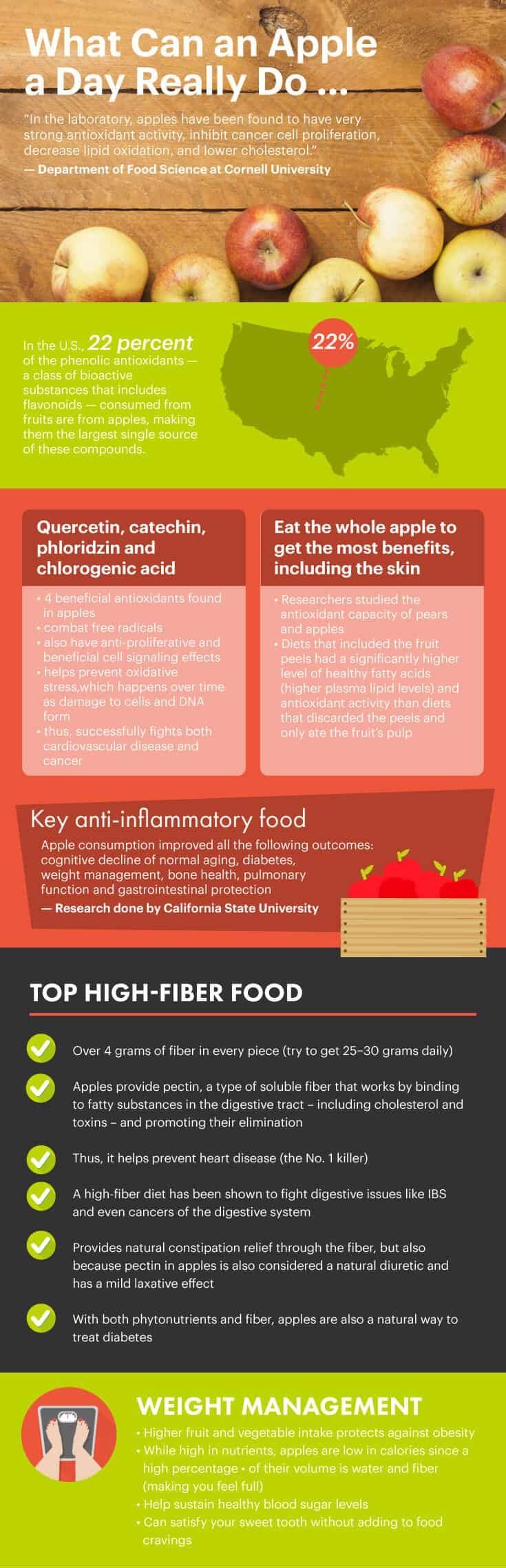
Apples are a high-antioxidant food and a very significant source of flavonoids. In the U.S., it’s estimated that 22 percent of the phenolic antioxidants consumed from fruits are from apples, making them the largest single source of these compounds.
Apples are ranked second to cranberries among all types of fruit for their total concentration of phenolic compounds. Research has revealed that beneficial antioxidants found in apple nutrition include:
- quercetin
- catechin
- phloridzin
- chlorogenic acid
Because of these special compounds, apples do more than combat free radicals. They also have anti-proliferative and beneficial cell-signaling effects.
In studies, anti-inflammatory foods like apples are linked with the prevention of certain cancers, including prostate cancer and breast cancer, because of their supply of quercetin. Other evidence has suggested that certain protective phytochemicals in the skin of apples can help inhibit the reproduction of cancer cells within the colon.
What is the healthiest part of an apple? You want to eat the whole apple to get the most benefits, including the skin.
When researchers studied the antioxidant capacity of pears and apples, they found that diets that included the fruit peels had a significantly higher level of healthy fatty acids (higher plasma lipid levels) and antioxidant activity than diets that discarded the peels and only ate the pulp.
2. Help prevent inflammation
Phytochemicals found in colorful fruits, including phenolics, flavonoids and carotenoids, are known to reduce the risk for many chronic diseases that are widespread but largely preventable. This is because phytonutrients help keep arteries clear, lower inflammatory responses and prevent high levels of oxidative stress.
Among other fruits, apples are a part of the anti-inflammatory diet known as the Dietary Approaches to Stop Hypertension (DASH) diet, which is known to help improve cardiovascular function and lead to other benefits.
Research from California State University suggested that high-antioxidant foods are associated with “improved outcomes related to cognitive decline of normal aging, type 2 diabetes, weight management, bone health, pulmonary function, and gastrointestinal protection.”
3. Fight heart disease
Many studies have shown that people who consume more fresh plant foods filled with antioxidants experience lower inflammation and, therefore, have a reduced risk of cardiovascular disease.
The specific type of fiber found in apples, pectin, is especially known to be beneficial for lowering cholesterol levels naturally. Research has suggested that interactions between fibers and polyphenols in apples together play an important role in markers of heart health and make it one of the top cholesterol-lowering foods.
One study that followed adults over a 15-year period found that, overall, a greater intake of fruits and vegetables was associated with lower risk of all-cause death and cardiovascular disease. There’s also evidence that antioxidant-rich fruits can play a role in preventing strokes, chronic obstructive pulmonary disease, diverticulosis and hypertension.
A 2020 randomized, controlled study uncovered that eating two apples a day helped adults with high cholesterol improve cardiovascular health markers.
4. High in fiber
Eating an apple is a great way to make sure you cover your bases of 25-40 grams daily. The fiber found in apples helps make you feel full and expands in your intestines, taking up volume.
It’s also important for detoxification and supporting the digestive system because pectin regulates the body’s use of sugars and cholesterol.
5. May improve digestive health
Consuming plenty of fiber plus polyphenols has been shown to fight digestive issues like irritable bowel syndrome (IBS) and even cancers of the digestive system.
Higher fruit intake is correlated with better general digestive health, especially of the colon, stomach and bladder, because the nutrients can positively impact gut microbiota, contributing to healthy digestion and immune responses. The phytonutrients found in apples also protect the digestive organs from oxidative stress, alkalize the body and balance pH levels.
When it comes to natural constipation relief, pectin in apples is considered a natural diuretic. It has mild laxative effects, helping combat bloating and water retention.
Try either eating raw apples (remember to also eat the skin) or adding them to recipes by blending them first to help “stay regular.”
6. Good source of vitamin C
One medium apple supplies about 10 percent of your daily vitamin C. Vitamin C is considered a powerful antioxidant that’s important for skin, eye, immune and brain health.
Like other antioxidants we obtain through fresh vegetables and fruits, vitamin C fights free radical damage and helps protect DNA and cells from mutation and malformation.
Research has shown that vitamin C is crucial for maintaining a healthy metabolism and repairing tissue, especially in the eyes and skin. Vitamin C-rich foods like apples have natural anti-aging effects because they promote skin cell renewal, help treat wounds or cuts, guard against infections and harmful bacteria, and also block damage from UV light exposure.
7. Can help manage weight
Much research has shown that higher fruit and vegetable intake, including of apples, is linked with protection against obesity and weight gain. While apples provide high levels of important nutrients and antioxidants, they’re also low in calories since a high percentage of their volume is made up of water and fiber.
Because they have a good dose of dietary fiber, which contains zero digestible calories and is useful for sustaining healthy blood sugar levels, apples can satisfy your sweet tooth without weighing you down or adding to food cravings.
They’ve even been associated with better diet quality and reduced risk of obesity in children.
8. May help fight diabetes
Wondering if the sugar in fruit is bad for you? Researchers from the Centers for Disease Control and Prevention found that eating five or more combined servings of fruits and vegetables daily significantly cut the risk of diabetes formation in adults.
Certain flavonoids present in apples are known to improve insulin sensitivity. This is key to preventing both diabetes and long-term weight gain. The other antioxidants and fiber found in apples also play a role in their anti-diabetic effects.
One study even concluded that “apple consumption before meals could improve postprandial hyperglycemia in normal subjects and those with impaired glucose tolerance.”
Apples are considered a fruit that’s low on the glycemic index. Compared to refined carbohydrates or sweetened products, they have the ability to unleash sugar into the bloodstream at a slower rate, supporting normal insulin production.
9. Can combat asthma symptoms
Interestingly, apples are shown to act like a natural remedy for asthma. In fact, they are associated with general pulmonary health and reduced risk for bronchial hypersensitivity.
In a study published in the American Journal of Clinical Nutrition involving 1,600 adults in Australia, apple and pear intake was associated with a decreased risk of asthma and a decrease in bronchial hypersensitivity.
The study surveyed nearly 600 individuals with asthma and 900 individuals without asthma about their diets and lifestyles. Total fruit and vegetable intake was found to be only weakly associated with asthma, but apple intake showed a stronger inverse relationship with asthma. The beneficial effect was most clear in subjects who consumed at least two apples per week.
What’s also interesting is that this seems to be uniquely an apple nutrition benefit. Onion, tea and red wine consumption were not related to asthma incidence even though they also contain similar phytochemicals. This suggests that there are special interactions of apple flavonoids that help control asthma symptoms better than other antioxidants and nutrients.
In addition, as research has pointed out, “High consumption of fruits and vegetables was found to be associated with reduced risk of developing asthma in children and adults. This has been noted specifically for apples and oranges.”
10. High source of boron
Here’s a little-known fact about apples: They are one of the best natural sources of boron. Boron is a mineral that is important for building strong bones and helping prevent osteoporosis.
Boron uses and benefits include helping develop sex hormones, building muscle mass and supporting brain function. Some evidence also has shown that low boron intake might be associated with fatigue, arthritis and mood changes.
11. May help prevent arthritis
As it turns out, the polyphenols in apple nutrition can be useful in combating arthritis.
An open‑label clinical pilot involving 12 adults with moderate joint range‑of‑motion limitations and chronic pain evaluated the effects of dried apple peel powder on joint issues. Over 12 weeks, participants consumed 4.25 grams of dried apple peel powder daily.
Results showed statistically significant improvements in joint range of motion, enhanced serum antioxidant protective capacity and evidence of COX‑2 and lipoxygenase inhibition, suggesting anti‑inflammatory effects linked to apple polyphenols.
Other research has found that dietary fruit intake, including apples, “demonstrates a protective role of fruits and their polyphenols in pre-clinical, clinical and epidemiological studies of [osteoarthritis] and [rheumatoid arthritis].”
12. Support mental health
Apples are rich in flavonoids, particularly quercetin, which help protect brain cells from oxidative stress, support brain function and support mental well‑being. Emerging studies have shown that diets high in flavonoid‑rich foods like apples are associated with lower risks of frailty, impaired physical function and poor mental health, especially among older adults.
Fiber and antioxidants in apples also promote a healthy gut microbiome, which is increasingly linked to mood regulation and reduced depressive symptoms. Broader research has found that higher daily intake of fruits like apples correlates with improved mental health outcomes, including greater life satisfaction and reduced depressive symptoms.
Even apple aroma, used in aromatherapy, has been shown to alleviate physiological stress responses, reducing heart rate increases and calming cardiac activity.
Types of apples
Apple trees have been improved through selection over thousands of years, and today there are hundreds of varieties in existence. It’s estimated that there are about 2,500 known varieties (cultivars) that are grown in the United States and more than 7,500 varieties grown in the world!
Apple skins range in color from bright red to yellow, green, pink, or bi- or tri-colored patterns. They also come in a range of different tastes and levels of sweetness.
According to researchers, the phytochemical composition of apple nutrition varies greatly between different varieties. Plus, there are also small changes in phytochemicals during the maturation and ripening periods.
Some of the most common types of apples include:
- Red delicious
- Honeycrisp
- Fuji
- Gala
- Granny smith
- McIntosh
- Cortland
- Golden delicious
- Empire
- Braeburn
- Envy
- Jazz
- Cameo
- Jonagold
- Rome
- Macoun
- Zestar
- Mutsu
- Ambrosia
Apples were originally brought to North America by European colonists during the 17th century and have been a staple of the American diet ever since (think: apple pie!).
Throughout history, they have had special religious and mythological significance in many cultures. For example, they are mentioned in the Bible in the story of Genesis about Adam and Eve. They have also had symbolic meaning in ancient Greek, European and various Christian traditions.
Recipes
When it comes to picking apples at the grocery store or farmers market, definitely try to buy organic types. Unfortunately, the Environmental Working Group lists apples on the “Dirty Dozen” list of most chemically sprayed fruits and veggies on a nearly yearly basis.
Research has found that apples are among the fruits/veggies with the highest number of pesticides among dozens of different kinds that are tested each year.
Shop for organic apples, and then store them in the refrigerator to keep them fresh for longer. They have a pretty long shelf life and last for several weeks on average.
Many of the antioxidants found in apple nutrition are considered delicate. They are preserved best when eaten raw or lightly cooked. High temperatures can negatively impact their nutrients.
Apples are typically available all year. They are in peak season during fall but can be found pretty much anytime.
You can use them in lots of different ways, such as in apple desserts, baked goods, on salads or in sauces. Make low-sugar apple sauce, juices or smoothies, or simmer or bake them with some cinnamon and butter.
They also make a great, portable post- or pre-workout snack thanks to their quick-releasing natural sugars that can raise your energy.
Remember that while it’s always preferable to eat the whole apple, homemade apple juice is definitely a cut above the store-bought kinds. The real thing contains natural enzymes, vitamins and phytonutrients that are usually missing or destroyed during large manufacturing processes.
Here are a few apple recipes to try:
- Raw Apple Crisp Recipe
- Baked Quinoa with Apples Recipe
- Apple Quinoa and Kale Salad Recipe
- Baked Apple Chips Recipe
- Caramel Apples without Dairy
- Apple Cider Recipe
One thing that can’t be overlooked is the use of apples to make one of the best fermented, health-promoting foods: apple cider vinegar. Apple cider vinegar benefits the body in so many ways. It can improve immunity, help the gut, fight cravings and blood sugar spikes, in addition to so much more.
Risks and side effects
Apples are one of the fruits that have a higher potential to cause allergic reactions, along with peaches and kiwis. Fruit allergies are frequently observed as reactions in the mouth, lungs, face, nose and stomach. These can occur only minutes after consuming the trigger food and show up in itching and swelling of the mouth, lips and throat.
If you or your children experience these reactions after eating apples or other food allergy symptoms, consider having an allergy test done before consuming them again.
Apples might also cause digestive problems for some people. That’s because they contain FODMAP carbohydrates that some people have difficulty breaking down.
Apples, along with pears and some other types of fruits and veggies, can potentially ferment in the gut and cause IBS, bloating and digestive discomfort. If you have these issues and can’t seem to figure out why, you might want to experiment with following a low-FODMAP diet for a period of time.
Frequently asked questions
Do apples help with digestion?
Yes, apples are rich in pectin, a soluble fiber that promotes digestive health by aiding regularity and nourishing beneficial gut bacteria.
Are apples good for heart health and cholesterol?
Definitely. The pectin in apples binds cholesterol in the intestines, and the antioxidants (like polyphenols) help reduce inflammation, both contributing to healthier cholesterol levels and cardiovascular function.
Can apples support weight management?
Yes, thanks to low calorie content and high water and fiber levels in apple nutrition, apples help increase fullness, promote satiety and potentially assist with healthy weight control.
Should apple skin be eaten?
Absolutely. The skin is packed with antioxidants and fiber. Eating the whole apple significantly enhances its nutritional and health benefits.
Do all apple varieties offer the same nutrients?
Nutrient content can vary across different types of apples. Each contains different levels of phytochemicals depending on variety and ripeness.
Are there any side effects or allergies linked to apples?
Some individuals may experience allergic reactions, especially those sensitive to pollen. Symptoms can include itching or swelling in the mouth or throat. Additionally, apple nutrition contains FODMAPs, which can trigger digestive discomfort in individuals with irritable bowel issues.
Conclusion
- Are apples high in nutrients? Yes, apple nutrition is a good source of pectin fiber, antioxidants (especially the skin) and vitamin C. Plus the fruit provides some potassium and vitamin K.
- Is it OK to eat an apple every day? As long as you don’t experience digestive issues, then yes.
- Health benefits associated with apples include protecting against type 2 diabetes, heart issues, some types of cancer, such as prostate and breast cancer, and assisting in weight management.
Popular Nutrition Posts