
This Dr. Axe content is medically reviewed or fact checked to ensure factually accurate information.
With strict editorial sourcing guidelines, we only link to academic research institutions, reputable media sites and, when research is available, medically peer-reviewed studies. Note that the numbers in parentheses (1, 2, etc.) are clickable links to these studies.
The information in our articles is NOT intended to replace a one-on-one relationship with a qualified health care professional and is not intended as medical advice.
This article is based on scientific evidence, written by experts and fact checked by our trained editorial staff. Note that the numbers in parentheses (1, 2, etc.) are clickable links to medically peer-reviewed studies.
Our team includes licensed nutritionists and dietitians, certified health education specialists, as well as certified strength and conditioning specialists, personal trainers and corrective exercise specialists. Our team aims to be not only thorough with its research, but also objective and unbiased.
The information in our articles is NOT intended to replace a one-on-one relationship with a qualified health care professional and is not intended as medical advice.
Pineapple: Benefits for the Whole Body
July 26, 2025

We all know pineapple as a delicious tropical fruit that garnishes our drinks, but did you know that there are also so many pineapple benefits due to its hefty dose of vitamins and minerals? This tasty fruit provides you with vitamin C, vitamin B1, potassium and manganese, in addition to other special compounds and antioxidants that studies have suggested offer protection against disease formation.
Used widely around the world as a natural remedy for everything from indigestion to allergies, pineapple is filled with phytonutrients, as well as the enzyme bromelain, that can help enhance digestion, protect against cardiovascular disease, support fertility and potentially reduce inflammation.
On top of its health perks, it is easy to find, inexpensive, versatile in recipes and available nearly year-round.
What is pineapple?
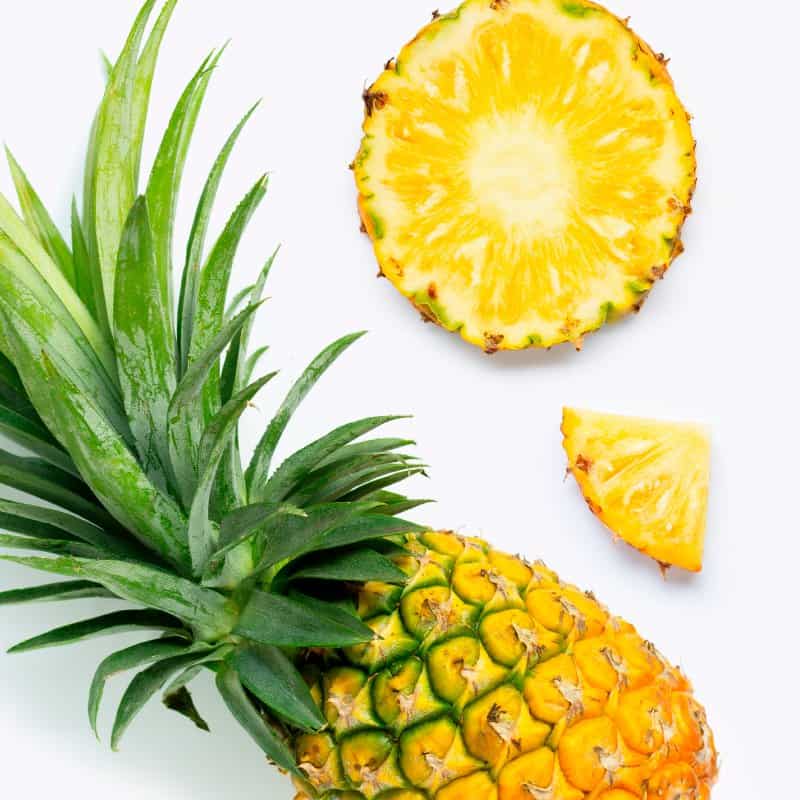
Pineapple (species name Ananas comosus) is a tropical plant with an edible fruit. It is considered the most economically significant plant in the Bromeliaceae plant family.
Much of the healing power of this fruit comes from a protein-digesting enzyme called bromelain. Bromelain is an enzyme, specifically a protease enzyme, found in the pineapple stem, especially the core, and in lesser amounts in the edible fruit.
Believe it or not, this fruit has been used as a homeopathic remedy for many years, as compounds within it work to break down proteins into smaller peptides and amino acids in the body. Studies have shown it also acts as an anti-inflammatory and anti-swelling agent.
Additionally, pineapple is a source of phytochemicals, including bioflavonoids and tannins, which help fight oxidative stress that contributes to accelerated aging.
Where do pineapples grow? The tree that pineapples grow on is native to Paraguay. It is a drought-tolerant plant that grows five to eight feet tall.
The fruit got its name from the Spanish word piña, meaning pinecone. The bulk of the world’s pineapples today come from Southeast Asia, with Thailand the biggest producer. It also grows in South America, where another tropical fruit called pineapple guava also grows.
It actually is not just one fruit, but 100-200 little separate fruitlets fused together. The plant bears fruit with a tough, spiky exterior that is around 12 inches long.
A pineapple can weigh up to eight pounds and produces fruit that is both sweet and tart, containing fiber-like pectin that gives the fruit its chewy texture.
Because of the many health benefits of pineapple, the fruit quickly became popular on ships since it offers natural prevention against scurvy, a common health issue at the time of sea exploration.
Nutrition facts
As you can see from the pineapple nutrition data below, this fruit is rich in vitamins and minerals, including vitamin C, manganese, thiamine and B6. This makes it a great daily addition to your diet, as long as you don’t overdo it (which may impact blood sugar levels negatively).
It also contains some vitamin A, vitamin K, choline, betaine, calcium, phosphorus, zinc and selenium, as well as a number of volatile compounds in small amounts that give it its signature taste.
Studies have also found that there are at least 30 nutritive and bioactive compounds within pineapple juice, including various types of sugars, polyphenols and organic acids (mainly citric and L-malic acids).
Pineapple is the single best source of the compound called bromelain. Bromelain supplements are made using the extract taken mostly from pineapple cores.
This enzyme may help speed healing and acts as an anti-inflammatory, similarly to over-the-counter medications like aspirin and ibuprofen.
Unfortunately, though, you won’t get bromelain by upping your intake of fresh pineapple. The bromelain you want the most is in the inedible stem of the plant, so taking a bromelain supplement is necessary to achieve the best results.
A one-cup serving of pineapple (about 165 grams) contains approximately:
- Calories: 82.5
- Total Carbohydrates: 21.6 g
- Fiber: 2.3 g
- Sugar: 16.3 g
- Total Fat: 0.2 g
- Saturated Fat: 0.02 g
- Polyunsaturated Fat: 0.1 g
- Monounsaturated Fat: 0.02 g
- Protein: 0.9 g
- Sodium: 1.7 mg (<1% DV*)
- Vitamin C: 78.9 mg (88% DV)
- Manganese: 1.5 mg (65% DV)
- Copper: 0.2 mg (22% DV)
- Vitamin B6: 0.2 mg (12% DV)
- Thiamine: 0.1 mg (8% DV)
- Riboflavin: 0.1 mg (8% DV)
- Pantothenic Acid: 0.4 mg (8% DV)
- Folate: 29.7 mcg (7% DV)
- Niacin: 0.8 mg (5% DV)
- Magnesium: 19.8 mg (5% DV)
- Potassium: 180 mg (4% DV)
- Iron: 0.5 mg (3% DV)
*Daily Value: Percentages are based on a diet of 2,000 calories a day.
Pineapple benefits
What are the benefits of eating pineapple? Below is more about pineapple benefits, including its ability to support a strong immune system, ease indigestion and support reproductive health.
1. Rich source of immune-boosting vitamin C
While there are relatively few pineapple calories in a cup, one serving has a huge amount of your daily value of the antioxidant vitamin C. Vitamin C is commonly used to support immune system function and minimize coughs, colds and flu symptoms.
Studies have suggested that children and adults who consume fruits high in vitamin C regularly may experience protection against infections, both viral and bacterial, as well as greater protection against cancer.
Vitamin C is a water-soluble vitamin that plays a role in maintaining the health of the body’s connective tissue as well as acting as an antioxidant. As an antioxidant it has the ability to synthesize collagen, the main protein in the body responsible for maintaining healthy blood vessels and organs.
2. High in fiber
Fruits that are high in fiber may help lower your risk of chronic diseases, including colorectal cancer. Fiber can also lower your blood glucose levels.
Are pineapples good for weight loss? Fiber is the reason there may be pineapple benefits for weight loss. Because of its high fiber content and volume, one of the benefits of pineapple is that it can help make you feel full with little calories.
It can help prevent constipation and promote regularity and a healthy digestive tract, which means it’s helpful for reducing a bloated stomach.
3. May help improve fertility
According to the Academy of Nutrition and Dietetics, studies have shown that eating foods that are rich in antioxidants can help prevent infertility. Because free radicals can damage the reproductive system, foods with high antioxidant activity like pineapples are recommended for people who are trying to conceive.
The antioxidants in this fruit, such as vitamin C, beta-carotene, and the other vitamins and minerals that are present, including copper, affect both male and female fertility. In terms of pineapple benefits for men, antioxidants have been shown to help increase blood flow and restore proper tissue formation in the genital organs … plus they can assist in boosting sperm count.
Similarly, benefits of eating pineapple for a woman include reducing inflammation and supporting connective tissue healing.
4. Helps protect against cardiovascular disease and obesity
The benefits of pineapple extend to heart health because of its potassium, vitamin C and antioxidants. Studies have found that one of the benefits of pineapple juice is that it has cardioprotective abilities.
High fruit intake is known to have disease-preventing effects, while high potassium intakes are also associated with a reduced risk of high blood pressure, cardiovascular disease and stroke; protection against loss of muscle mass; preservation of bone mineral density; and reduction in the formation of kidney stones.
In a randomized, single-blind, controlled trial in Iraq, 52 adults with obesity and type 2 diabetes were treated over eight weeks. The intervention group received bromelain capsules (500 mg twice daily) alongside their regular metformin regimen, while the control group received metformin only.
After eight weeks, the bromelain group showed significant reductions in body mass index, waist circumference and waist-hip ratio, as well as improvements in insulin resistance, leptin, IL-6 and TNF-α levels, compared to both their baseline and the control group. However, fasting glucose and waist-hip ratio changes versus control were not significant.
The pineapple enzyme bromelain can also help improve heart health, as it can fight blood clotting. Bromelain has been shown to stop blood platelets from sticking together or building up along the walls of blood vessels, both known causes of heart attacks or strokes.
5. May help prevent asthma
The beta-carotene that is found in plant foods like pineapples may help lower the risk of respiratory inflammation and asthma.
Toxins, poor nutrition, pollution, antibiotic abuse and stress play a large role in the development of asthma. All of these factors cause inflammation, but luckily one of the benefits of pineapple is that it can help reduce inflammation through its detoxifying capabilities.
6. Provides nutrients that aid mental health
A 2020 study found that consumption of vegetables and fruits that have a high content of nutrients may be of importance in the case of preventing depressive disorders.
Nutrients such as carbohydrates and antioxidants found in pineapple may help improve your mood and fight depression and anxiety. It is a good source of the amino acid tryptophan, which studies have shown is used by the body to produce enough serotonin, one of our main “happy hormones.”
Consuming enough of this amino acid, in addition to other nutrients like B vitamins, is important to support your neurological system, for energy and for the production of good mood hormones.
7. May help fight cancer
According to recent studies, bromelain in pineapple possesses anti-cancerous activities and promotes apoptotic cell death. Bromelain has been found to have selective cytotoxicity and may help kill cancerous cells in a self-disassembly process called apoptosis, while leaving healthy cells unharmed.
8. Reduces inflammation and arthritis
The benefits of pineapple include the ability to help those suffering from arthritis and joint pain. This is due to its enzyme bromelain, which has demonstrated anti-inflammatory and analgesic properties.
It is also very useful for treating sporting injuries, including sprains, and can help counter pain.
Bromelain works on inflammation by blocking metabolites that cause swelling. It also decreases swelling by activating a chemical in the blood that breaks down fibrin, thus leading to reduced swelling.
Bromelain is often recommended to be taken before surgeries to speed healing time and decrease inflammation commonly associated with surgical procedures.
A study was done on patients who suffer from sinusitis, which is the inflammation of the paranasal sinuses. This can be caused by an infection, an allergy or an autoimmune issue.
The study showed that the bromelain found in pineapples caused significantly faster recovery than standard therapy.
9. Aids digestion
For digestion, eating pineapple benefits the gut as a powerful aid in breaking down proteins into peptides and amino acids. It can ease the symptoms of ulcerative colitis and acid reflux, and it helps the general digestive processes.
This suggests that bromelain can modulate inflammatory signaling in human colon tissue and potentially reduce inflammation associated with ulcerative colitis.
Does pineapple make you poop? While it doesn’t typically have laxative effects, it provides water and electrolytes (like most fruits and veggies do) that can aid in regularity.
Bromelain also seems useful in helping prevent autoimmune responses due to common food allergies. Studies have found evidence that eating pineapple may help those who had celiac disease, an allergy to the protein gluten that is found in wheat, barley and rye products, due to the presence of the bromelain enzyme.
10. Might lower risk of liver issues
Preliminary research has indicated that the antioxidants and enzymes in pineapple may help protect the liver from oxidative stress and inflammation. Bromelain and vitamin C work together to support liver detoxification processes, and some human and animal studies have relayed pineapple may help improve liver enzyme markers in certain populations.
11. Protects skin
Pineapple benefits skin health since it’s a rich source of vitamin C, which plays a central role in skin health by supporting collagen synthesis and fighting oxidative damage from sun exposure and pollution. Eating pineapple regularly may help reduce wrinkles, support elasticity and promote a clearer, brighter complexion.
Bromelain also contributes by gently exfoliating dead skin cells from the inside out.
Uses
Pineapple is available in your grocery store year-round, but its peak season is from March to July. As a result, it’s considered a top summer fruit.
You can frequently find frozen pineapple chunks in most major grocery stores, which is an easy way to add it to smoothies and other recipes so you can take advantage of all the amazing pineapple benefits.
Choosing a pineapple
When choosing a pineapple, keep in mind that the heavier it is, the better, since heaviness means that it is ripe. Choose one that has dark green leaves. This is also a sign of ripeness.
You can also smell the fruit to detect whether or not it is ripe. It should be fragrant and not musty.
How to cut a pineapple
When preparing a fresh pineapple, chop off the top and bottom, and then place it on a flat surface to slice off the rind (the outer skin). Once you remove the rind, slice the fruit into rings or chunks, and remove the core, which is harder than the meat of the fruit.
You can store pineapple chunks in your refrigerator after cutting it up for up to nine days or freeze them to use later.
How to use
To get the benefits of pineapple in your diet, you can eat it by itself as a snack, or you can add it to both sweet and savory dishes. You can eat this fruit for dessert by adding it to ice cream or grilling it, or you can add it to meals to boost the flavor and texture.
Try making a salsa using pineapple, onions and cilantro. This interesting mix of ingredients is delicious on top of chicken, shrimp or pork chops.
Add it to your own Asian stir-fry, or add it to a salad for some extra sweetness. You’ll be surprised how many dishes are awesome with the extra pop of pineapple’s sweet, tropical taste.
Try these smoothie and juice recipes:
Risks and side effects
Why might pineapple be bad for you? It is not a commonly allergenic fruit, and because of the bromelain, it actually helps with digestion.
However, pineapple is packed with vitamin C, and while vitamin C is generally quite safe because it is a water-soluble vitamin and any excess is excreted through urine, eating large quantities can possibly cause some side effects. These may include diarrhea, nausea, vomiting, heartburn, abdominal pain, insomnia and headaches.
The bromelain that is found in pineapple may interact with some medications, and this is something that you can mention to your healthcare provider. This may be an issue if you take medications, including blood thinners, insomnia medications or antidepressants.
Frequently asked questions
What is the best time to eat pineapple?
Is it okay to eat pineapple in the morning? Can pineapple be eaten at night?
You can enjoy this fruit any time of day, whether it’s with breakfast or dessert. Since it provides carbohydrates and natural sugar, it’s a good thing to have as a pre-workout snack for some energy.
Is it good to eat pineapple on an empty stomach?
As long as this doesn’t cause any indigestion, then it is fine. However, if the acid in pineapples gives you a stomachache when you eat it alone, try having it with a bigger meal.
Should you drink water after eating pineapple?
Pineapple itself is hydrating, since it contains a lot of water (like all fruit). However, drinking water with high-fiber foods is a good idea for improving digestion.
Does eating pineapple burn belly fat?
While pineapple doesn’t directly burn belly fat, it supports digestion and may reduce bloating due to its bromelain content. Its fiber and water content can also promote fullness, potentially helping with weight management when included in a balanced diet.
What does pineapple do for women?
Pineapple benefits women because it provides nutrients that support hormone balance, skin health and digestion. Its anti-inflammatory compounds may also help ease menstrual discomfort.
Some women use pineapple to support fertility or reduce water retention due to its enzyme content.
What does pineapple do for men?
Pineapple benefits men because it supports prostate health, boosts immunity and may improve sexual wellness thanks to its high levels of antioxidants and vitamin C. Its enzymes also support muscle recovery and digestive health, which can benefit physically active men.
Is pineapple high in sugar?
Yes, pineapple contains natural sugars, with about 16 grams per cup of fresh fruit. However, it’s also rich in fiber and water, which help moderate blood sugar spikes compared to processed sweets. Those with diabetes should enjoy it in moderation.
What should you do if your tongue hurts after eating pineapple?
That stinging or burning sensation is caused by bromelain breaking down proteins on your tongue. To minimize discomfort, try soaking pineapple in salt water or grilling it before eating. You can also pair it with dairy to neutralize the effect.
How many calories are in pineapple?
One cup of fresh pineapple chunks contains approximately 82.5 calories. It’s relatively low in calories for a fruit and provides a range of nutrients, especially vitamin C and manganese.
Can you consume too much pineapple?
Yes, eating excessive pineapple may cause mouth irritation, digestive upset or diarrhea due to its acidity and bromelain content. Stick to one to two servings per day to enjoy pineapple benefits without side effects.
Is pineapple safe for everyone?
Pineapple is safe for most people, but those with sensitivity to bromelain, latex allergies or acid reflux may experience reactions. Always consult with a healthcare provider if you’re unsure, especially during pregnancy or when taking blood thinners.
Is pineapple good for your skin?
Yes! Pineapple benefits skin health due to its high vitamin C and bromelain content, which promote collagen production, reduce inflammation and support a glowing complexion.
Is pineapple juice good for you?
Pineapple juice offers many of the same benefits as the fruit, including vitamin C and bromelain. However, it lacks fiber and is higher in sugar concentration, so it’s best consumed in moderation.
Is pineapple a citrus fruit?
No, pineapple is not a citrus fruit. Although it’s acidic and rich in vitamin C like citrus fruits, it belongs to the Bromeliaceae family, while citrus fruits belong to the Rutaceae family.
Can dogs eat pineapple?
In small amounts, fresh pineapple is safe for most dogs and can provide a natural treat packed with nutrients. Avoid canned pineapple, and remove the core and skin to prevent choking or digestive issues.
Can cats eat pineapple?
A small amount of pineapple is generally safe for cats, but it should only be given occasionally as a treat. Always remove the core and skin, and avoid any added sugar or syrup.
Can you eat pineapple while pregnant?
Yes, pineapple is safe for most pregnant women when consumed in normal food amounts. It provides valuable nutrients like vitamin C and manganese. However, eating large amounts may cause mild uterine contractions in sensitive individuals.
When is a pineapple ripe?
A ripe pineapple will have a sweet aroma at the base, slightly soft skin and golden-yellow coloring. You can also gently pull one of the inner leaves; if it comes out easily, the fruit is likely ripe.
Is pineapple acidic?
Yes, pineapple is acidic with a pH around 3.2-4.0. People with acid reflux or sensitive stomachs may want to limit their intake or eat it with other foods to reduce irritation.
Why does pineapple hurt my mouth?
Bromelain in pineapple breaks down proteins, which can irritate the sensitive tissues in your mouth. This effect is temporary and usually harmless but can be avoided by cooking or pairing the fruit with neutralizing foods like yogurt.
Final thoughts
- Benefits of pineapple (Ananas comosus) include the fact that it’s high in vitamins and minerals, such as vitamin C for immune system support and potassium for heart health.
- It’s also the best source of the enzyme called bromelain, which helps with digestion and has anti-inflammatory effects.
- Vitamin C is the most abundant vitamin in this fruit, while antioxidants like flavonoids and tannins within also help fight oxidative stress.
- Pineapple benefits include helping normalize blood sugar and blood pressure, decreasing constipation, supporting fertility, fighting cancer, reducing inflammation of the bowels, and more.
Popular Nutrition Posts