
This Dr. Axe content is medically reviewed or fact checked to ensure factually accurate information.
With strict editorial sourcing guidelines, we only link to academic research institutions, reputable media sites and, when research is available, medically peer-reviewed studies. Note that the numbers in parentheses (1, 2, etc.) are clickable links to these studies.
The information in our articles is NOT intended to replace a one-on-one relationship with a qualified health care professional and is not intended as medical advice.
This article is based on scientific evidence, written by experts and fact checked by our trained editorial staff. Note that the numbers in parentheses (1, 2, etc.) are clickable links to medically peer-reviewed studies.
Our team includes licensed nutritionists and dietitians, certified health education specialists, as well as certified strength and conditioning specialists, personal trainers and corrective exercise specialists. Our team aims to be not only thorough with its research, but also objective and unbiased.
The information in our articles is NOT intended to replace a one-on-one relationship with a qualified health care professional and is not intended as medical advice.
Honeydew: 15 Benefits + How to Choose a Ripe Melon
July 30, 2025
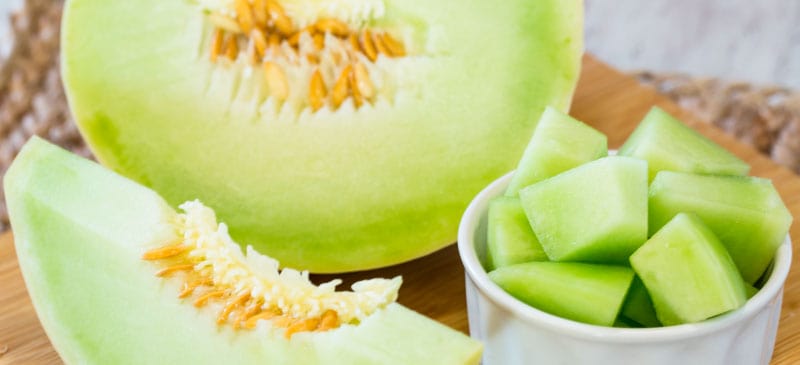
Although it’s often confused with cantaloupe or just called “melon” so not to make a distinction, honeydew is actually a nutrient-rich, hydrating, low-calorie and deliciously sweet fruit. In fact, honeydew melon benefits are vast and remarkable.
It may have a reputation as the tasteless melon, and sometimes when it’s mindlessly added to a fruit salad it may be the only fruit left standing. But when honeydew melon is picked from the vine once it’s mature and cut open when it’s ripe, the flavor is there.
In fact, it’s known to be the sweetest of all melons in the grocery store.
On top of that, it’s packed with health-promoting nutrients, including vitamin C, B vitamins, potassium and magnesium, similar to cantaloupe nutrition. It’s a low-calorie food that provides fiber, water and a little sweetness that can help satisfy those afternoon sugar cravings that you’ve been fighting, and that’s not all when it comes to honeydew benefits.
What is honeydew melon?
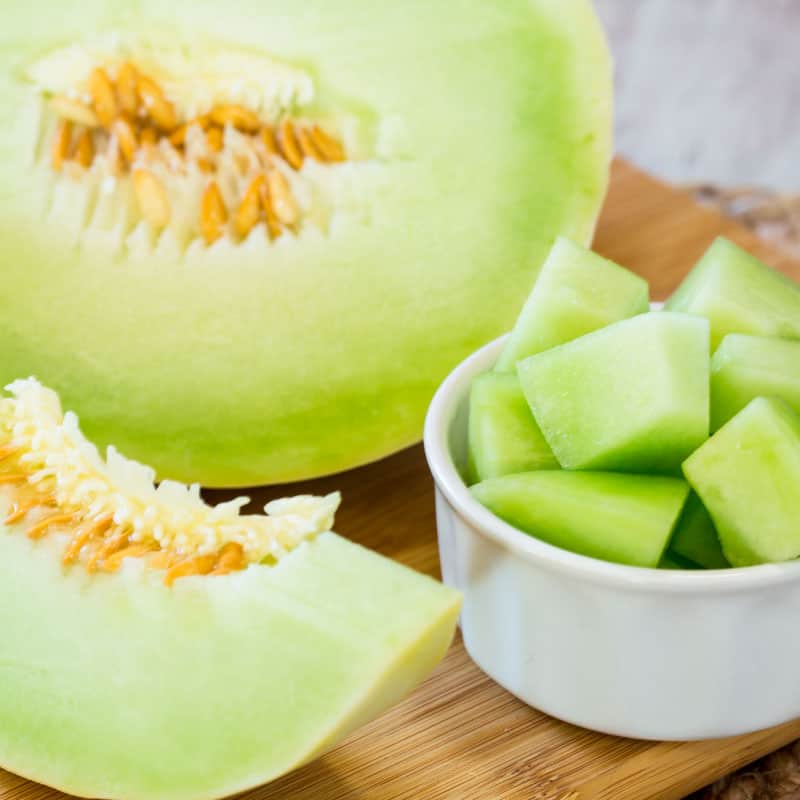
Honeydew, a creamy, yellowish and oval-shaped fruit, is a member of the Cucurbitaceae family, which includes other vine-growing foods, like cucumbers, squash, winter melon, pumpkin and watermelon. Its scientific name is Cucumis melo.
Here are some facts about honeydew melon:
- It can be described as sweet, luscious and juicy.
- It has a distinct aroma, especially when it’s ripe, that has fresh and sweet-floral characters.
- Its peak growing season is in the late summer through early winter, which is later than its cousin cantaloupe.
- It’s typically about six to nine inches long and generally weighs four to eight pounds.
- The flesh of a honeydew melon is usually pale green, and the peel ranges in color from a creamy yellow to green.
- Most of the honeydew melons you see in your local supermarket come from California, where they are in season from August until October.
- There are two types of honeydew melon: White honeydew melon has smooth, white skin and pale green flesh, and yellow honeydew melon has golden skin and green flesh. The white honeydews are said to be sweeter because they have a higher sugar content.
- According to the ASPCA, honeydew melon is non-toxic and safe for dogs, cats and horses to eat.
Nutrition facts
When it comes to honeydew nutrition, this melon contains carotenoids, including beta-carotene and phytoene, that are responsible for many of the fruit’s health benefits, like its ability to reduce inflammation, inhibit oxidative stress and boost cardiovascular health.
It’s also rich in vitamin C and contains other important nutrients that allow for the proper function of our immune, digestive and cardiovascular systems. Eating honeydew melon can even help boost cognitive health and prevent mood disorders, like depression.
It is a low-calorie fruit that’s rich in fiber and vitamin C. It also contains important nutrients like potassium, B vitamins and magnesium.
A one-cup serving (roughly 177 grams) of balled honeydew contains about:
- Calories: 63.7
- Total Carbohydrates: 16.1 g
- Fiber: 1.4 g
- Sugar: 14.4 g
- Total Fat: 0.2 g
- Saturated Fat: 0.01 g
- Polyunsaturated Fat: 0.1 g
- Trans Fat: 0 g
- Protein: 1 g
- Sodium: 31.9 mg (1% DV)
- Vitamin C: 31.9 mg (35% DV)
- Vitamin B6: 0.2 mg (12% DV)
- Potassium: 404 mg (9% DV)
- Folate: 33.6 mcg (8% DV)
- Thiamine: 0.1 mg (8% DV)
- Vitamin K: 5.1 mcg (4% DV)
- Niacin: 0.7 mg (4% DV)
- Magnesium: 17.7 mg (4% DV)
*Daily Value: Percentages are based on a diet of 2,000 calories a day.
In addition, this melon provides vitamin A, pantothenic acid, calcium, iron, phosphorus, zinc and selenium.
Health benefits
1. Great source of vitamin C
A cup of honeydew contains more than 35 percent of your daily recommended value of vitamin C. This means that it provides beneficial antioxidants that help reduce the risk of inflammation and disease.
Eating vitamin C foods, like fruits and vegetables, can help improve your immunity, boost the health of your skin, promote your heart health and improve inflammatory conditions.
The vitamin C found in honeydew also plays an important role in a number of metabolic functions, like the activation of folic acid and conversion of cholesterol to bile acids. Research has shown that vitamin C benefits serious conditions like diabetes, atherosclerosis, neurodegenerative disease and cancer.
2. Low in calories and helps manage weight
This fruit’s natural sweetness offers a low-calorie treat that can satisfy cravings without spiking calorie intake.
Not only is honeydew low in calories, but it’s the sweetest of all melon varieties. You can fulfill that craving for something sweet by snacking on some honeydew, while still sticking to your daily calorie goals.
High-volume, low-calorie foods like this fruit serve as the perfect snacks or additions to meals when you are trying to lose or maintain weight. Plus, because honeydew benefits include offering a range of nutrients, like vitamin C, vitamin A, potassium, magnesium and B vitamins, you know that you’re staying well-nourished, which can sometimes be an issue when you’re following a low-calorie diet.
3. Boosts skin health
The carotenoids and vitamin C found in honeydew make the fruit beneficial for your skin.
Studies have indicated that vitamin C stimulates collagen synthesis and assists in antioxidant protection against UV-induced skin damage. Vitamin C also plays a role in wound healing, skin elasticity and general skin repair.
Adding honeydew melon and other fruits and vegetables containing high amounts of vitamin C promotes glowing, even-toned and healthy skin.
4. Rich in fiber
The fiber in honeydew melon benefits digestion because it helps promote regular bowel movements and supports a healthy digestive tract. Its water content also aids in softening stools and preventing constipation.
Why is a high-fiber diet so important? Studies have highlighted that it passes through your digestive system and, along the way, takes with it wastes, toxins, fat and cholesterol particles.
Eating fiber improves the health of your gut and aids your digestive system, keeping you regular. Honeydew contains both soluble and insoluble fiber, which means that it actually makes you feel full longer and adds bulk to your stool, helping ease issues like constipation.
5. Helps you stay hydrated
Honeydew melon is high in water content and provides essential electrolytes, especially potassium, making it excellent for hydration. Approximately 90 percent of honeydew is made up of water so eating a cup or two of this low-calorie fruit can make you feel full.
This is because of its fiber content and because you can eat a bigger volume without going over your calorie goals.
In addition to this, honeydew also helps you stay hydrated. That’s exactly why it’s an excellent snack on hot summer days or after a workout.
6. Provides potassium
A cup of honeydew contains about 9 percent of your daily value of potassium, which is awesome considering that potassium is an essential nutrient for electrolyte balance in the body and helps decrease muscle cramps, reduce your risk of stroke and even alleviate high blood pressure.
Research has suggested that eating potassium-rich foods can also help increase bone density and ward off conditions affecting your bones, like osteoporosis.
7. Supports brain function
Honeydew provides both vitamin B6 and folate, two B vitamins that are important for brain development and function.
A review published in Nutrients provided evidence that low folate and vitamin B6 levels are associated with poor cognitive function and can increase your risk of developing neurodegenerative conditions, like Alzheimer’s disease and dementia.
Plus, these B vitamins help improve your mood. Vitamin B6 benefits mood because it helps make the hormones serotonin and norepinephrine, your “happy hormones” that control your mood, ability to concentrate and energy levels.
Research has shown that preventing or reversing a folate deficiency can reduce your risk of developing mood disorders like depression.
8. Helps boost the immune system
Honeydew is a good source of vitamin C, a powerful antioxidant that supports immune function by promoting white blood cell activity and helping to reduce inflammation. A strong immune system is vital for defending against infections and chronic disease.
Vitamin C also promotes oxidant scavenging activity in the skin, protecting us against environmental oxidative stress.
When we don’t get enough vitamin C in our diets, it can result in impaired immunity and higher susceptibility to infections, which has been shown in studies. By adding honeydew and other foods rich in vitamin C to your diet, you can naturally boost your immune system.
Honeydew melon is also considered a functional food that helps boost the immune system.
9. Promotes heart health
Studies have revealed that higher carotenoid intake is associated with significant reductions in the risk of cardiovascular disease. The carotenoids found in honeydew are beneficial for protecting our arteries against inflammation, blockages and free radical damage.
Research also has displayed that carotenoids (like the beta-carotene found in honeydew melon) may also help lower blood pressure, reduce non-HDL plasma cholesterol levels, prevent atherosclerosis, reduce pro-inflammatory cytokines and improve insulin sensitivity.
10. Has cancer-protective effects
Honeydew melon is a source of carotenoids like beta-carotene that have anti-inflammatory and cancer-protective effects, and research has shown that different solvent extracts of the fruit display anti-cancer properties.
Research evaluating the role of carotenoids has found that diets high in the compounds are beneficial for a number of reasons, including preventing UV light damage that can lead to melanoma and reducing oxidative stress, a critical factor of the pathogenic process of many chronic disorders, including cancer.
On top of this, carotenoids found in honeydew have chemoprotective properties, according to research, helping protect healthy tissue from the harmful side effects that are caused by some anti-cancer drugs.

11. May help balance blood sugar
Despite its natural sugars, honeydew melon has a low glycemic index and provides fiber, which helps slow sugar absorption in the bloodstream. Some research has found that incorporating low-glycemic fruits like honeydew into the diet may improve blood sugar regulation, especially in people with insulin resistance or type 2 diabetes.
12. Helps protect vision
Honeydew melon contains small amounts of lutein and zeaxanthin, antioxidants that are known to support eye health and may help prevent age-related macular degeneration. Additionally, its vitamin C content may offer protective effects against cataracts.
13. Strengthens bones
Honeydew benefits skeletal health because it provides several bone-supportive nutrients, including vitamin K, magnesium and folate. Vitamin K, in particular, plays a key role in calcium metabolism and bone mineralization, helping lower the risk of fractures and osteoporosis.
14. Encourages healthy blood pressure levels
This melon is a rich source of potassium, a mineral that helps balance sodium levels in the body and reduces tension in blood vessel walls. Consuming potassium-rich foods like honeydew can support healthy blood pressure and overall cardiovascular health.
15. May help prevent birth defects
Honeydew melon contains folate (vitamin B9), which is crucial for fetal development during early pregnancy. Adequate folate intake helps prevent neural tube defects and supports the growth of the baby’s brain and spine.
Honeydew vs. cantaloupe
Honeydew and cantaloupe are both melon fruits that belong to the Cucurbitaceae family. They both provide free radical scavenging antioxidants and a number of health-promoting vitamins and minerals.
Both fruits contain vitamins A, C and K and minerals like potassium, folate, niacin, thiamine and magnesium, but melon to melon, cantaloupe packs a bigger nutritious punch.
A one-cup serving of cantaloupe contains fewer calories, more vitamins A and C, more potassium, more B vitamins, and more magnesium.
That said, both cantaloupe and honeydew boast a range of health benefits, including their ability to boost cardiovascular health, promote healthy skin, boost the immune system, aid digestion and protect cognitive health.
Here’s a difference between the two melons: Honeydew and cantaloupe have different peak months, with cantaloupe having a peak season between April through August and honeydew’s season beginning in August and lasting until October.
Although a ripe honeydew is known to have a sweeter taste, honeydew melons are sometimes picked before they have matured, and they won’t mature off the vine, so that leaves them tasting pretty bland. For that reason, people often believe that cantaloupe is the tastier melon.
Recipes
The most common way to consume honeydew is eating it fresh as a sweet and hydrating snack, but there are other ways to incorporate this melon into your meals.
It can be cubed and added to a yogurt parfait, cottage cheese, salad or smoothie.
Honeydew even adds a nice sweetness to salsa and chilled soups, and people commonly pair the fruit with salty meats, like prosciutto.
Try adding honeydew to my Fall Chicken Salad recipe in place of or along with the grapes.
Here are a few more honeydew recipes to try:
If you’re wondering whether or not your honeydew is ripe before cutting it open, look for melons with a pale cream or creamy white rind. If the skin, or rind, of the honeydew has any greenness, it’s not ready yet.
Also, when choosing a honeydew at the store, look for one that feels too heavy for its size. This means that it’s full of juice and mature enough to ripen naturally.
Risks and side effects
Honeydew nutrition is pretty impressive, but as is the case with most healthy foods, it best when consumed in moderation. Adding a cup of melon to your plate or incorporating it into a recipe comes with little risks or side effects.
When you consume too much honeydew, you may experience elevated blood sugar levels and even some digestive issues, like diarrhea.
In some cases, a honeydew allergy is possible. If you develop a rash, hives, mouth itching, cramps, troubling breathing, nausea or diarrhea after eating honeydew, avoid it completely and consult your health care professional.
Frequently asked questions
Is honeydew good for weight loss?
Yes, honeydew melon is low in calories and high in water and fiber, making it a filling snack that can support weight loss by curbing hunger and reducing overall calorie intake.
How do I know when honeydew is ripe?
A ripe honeydew melon will feel heavy for its size and have a slight give when pressed on the blossom end. It should also emit a subtle, sweet aroma.
Can dogs eat honeydew melon?
Yes, dogs can safely eat small amounts of honeydew melon as a treat. Be sure to remove the seeds and rind, and feed in moderation to avoid digestive upset.
Is honeydew melon high in sugar?
Honeydew contains natural sugars but has a relatively low glycemic index. When eaten in reasonable portions, it is generally considered safe even for people watching their blood sugar levels.
What’s the difference between honeydew and cantaloupe?
Honeydew has pale green flesh and a smoother outer rind, while cantaloupe has orange flesh and a netted skin. Both melons are hydrating and nutritious, but they differ slightly in taste and texture.
Can I eat honeydew melon every day?
Yes, eating honeydew regularly can be part of a healthy diet, especially since it provides hydration, fiber and essential vitamins. However, moderation is key as with all fruits.
Final thoughts
- Honeydew, a creamy, yellowish and oval-shaped fruit, is a member of the Cucurbitaceae family, which includes other vine-growing foods like cucumbers, squash, pumpkin and watermelon.
- It is known to be the sweetest of all melons, and it has a distinct aroma, especially when it’s ripe, that has fresh and sweet-floral characters.
- This melon contains carotenoids, including beta-carotene and phytoene, and it provides vitamin C, vitamin B6, potassium, folate, magnesium, thiamine and vitamin K.
- Benefits of this melon include its ability to help with weight management, skin health, hydration, brain function, immunity, heart health and even protection against certain cancers.
- To detect whether or not a melon is ready to eat, look for honeydews that have a pale cream rind, feel too heavy for their size and have a noticeable sweet smell.
Popular Nutrition Posts